Proactive AI Governance: WCAG 2.2 for AI-native (A2UI) Design Systems

Proactive AI Governance: WCAG 2.2 for AI-native (A2UI) Design Systems

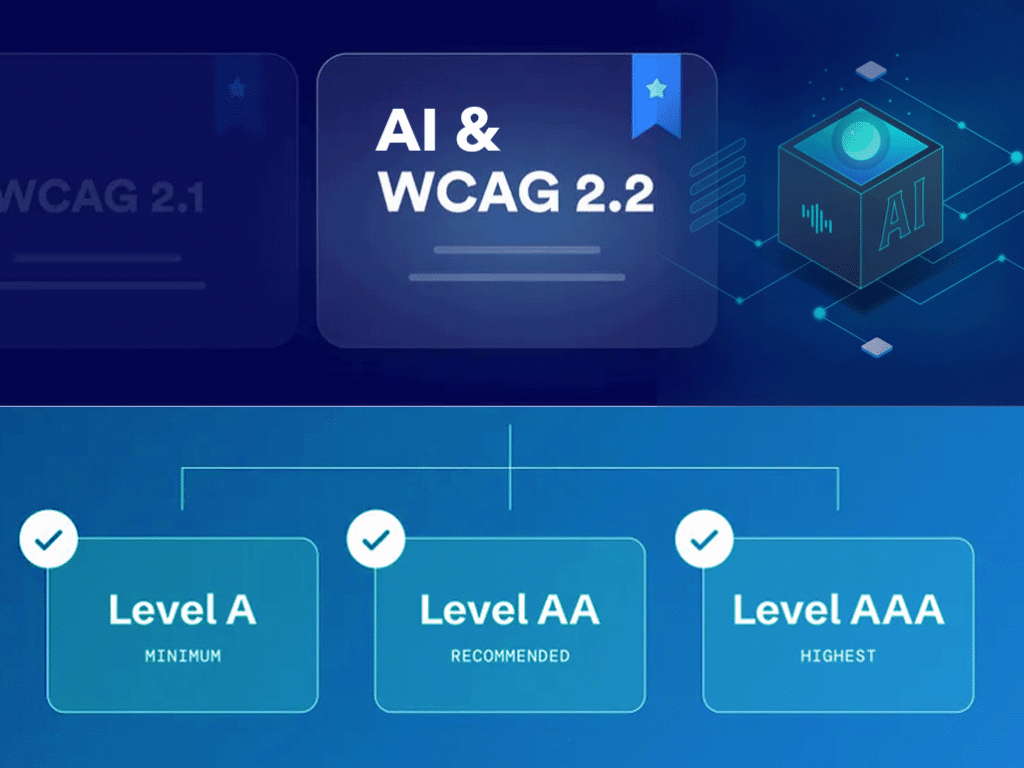
For regulated industries like fintech a post-build checklist, a scan, a report that tells you what already went out the door is not an option. That reactive WCAG 2.2 model doesn't survive agent-composed interfaces as a retroactive implementation layer. Additionally, conformance is defined for the page or the process as well, because a component can…

Why AI Coding Agents Require Human Developers

Why AI Coding Agents Require Human Developers

The widespread corporate narrative right now is that software engineers are on the verge of obsolescence, soon to be replaced by natural-language prompts and autonomous coding agents. When you strip away the corporate mythology, AI is revealed as a highly efficient information transmission utility – a collaborative force designed to process, translate, and accelerate the…
Language Is the Original Source Code: Harnessing Semantic Forces as the Weights Driving the Matrix

Language Is the Original Source Code: Harnessing Semantic Forces as the Weights Driving the Matrix

He draws a direct parallel between this linguistic process and physics, suggesting that ChatGPT completes sentences by following "geodesics" through this semantic space, much like objects follow shortest paths in physical space. This concept implies that AI has implicitly developed a "semantic grammar," a set of rules governing which word combinations are meaningful, analogous to…
The Ethics of Algorithmic Alignment: Optimizing Agentic Performance by Removing the Human in The Loop

The Ethics of Algorithmic Alignment: Optimizing Agentic Performance by Removing the Human in The Loop

Author: John Holt Date: October 2, 2026 Abstract This article examines an inverted paradigm in human-computer interaction (HCI): the necessity of removing or heavily restricting human inputs to achieve optimal, high-fidelity engineering performance from Large Language Models (LLMs). Moving beyond traditional usability frameworks that prioritize continuous user feedback, we introduce the concept of "Human Cognitive Contamination."…
The Sociology of Generative Orchestration: Semantic Anchoring, Institutional Ideology, and the Social Construction of Agentic Interfaces

The Sociology of Generative Orchestration: Semantic Anchoring, Institutional Ideology, and the Social Construction of Agentic Interfaces

Author: John T. Holt & Raibach Inc. Independent Systems & Sociological Research Group Date: October 2, 2026 Abstract This paper examines the emerging socio-technical paradigms of generative artificial intelligence (AI) software orchestration through a dual-lens of linguistic sociology and the Social Construction of Technology (SCOT). We analyze the mechanism of "high-signal semantic anchoring" the strategic use…
Model Agnostic AI-Native Design System Harness

Model Agnostic AI-Native Design System Harness

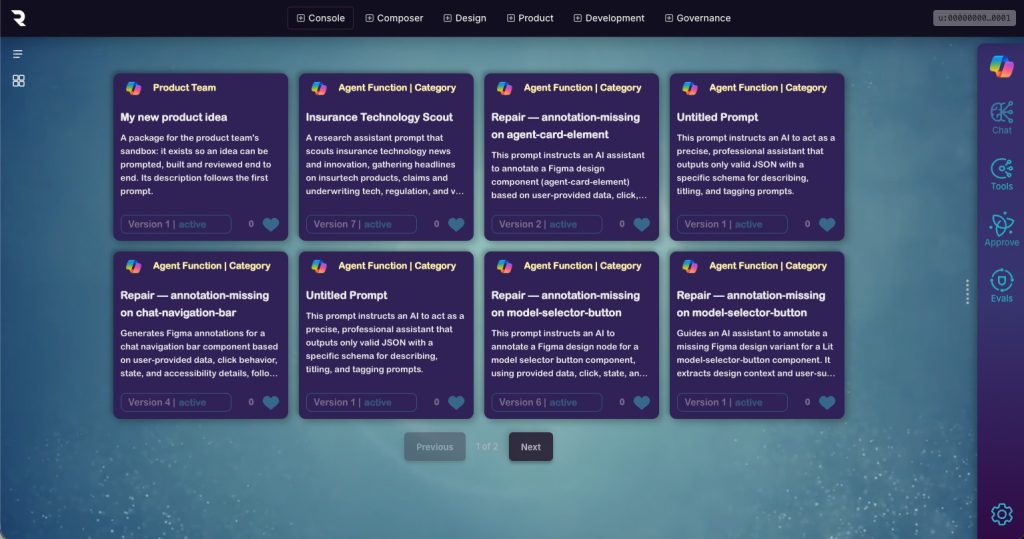
Project: Raibach IDS (Enterprise Grade Agent Builder and Interactive Design System) Timeline: June 2026 – Present Role: Principal Designer – System Designer, UX strategy, React/Python frontend development, theme design Demo: Studio Demo Raibach-IDS  (access pin is on resume) Github: Github.com/Raibach  Project Summary This project is a continuation of an AI-lifecycle management system discovery phase contract…
Competitive Analysis for Applied Systems: Cara AI for Insurance Agencies

Competitive Analysis for Applied Systems: Cara AI for Insurance Agencies

Executive Summary: Competitive Benchmarking REVIEW This preliminary competitive analysis establishes a hypothesis-driven baseline that the interview research can validate, challenge, or refine. Small agencies using EZLynx are adopting third-party AI tools, primarily Cara, to fill workflow gaps EVA doesn't yet close. This represents both a competitive threat and a clear product opportunity. Recommendation: pursue a…
Enterprise AI-Lifecycle Management – Focus on Adoption and Collaboration

Enterprise AI-Lifecycle Management – Focus on Adoption and Collaboration

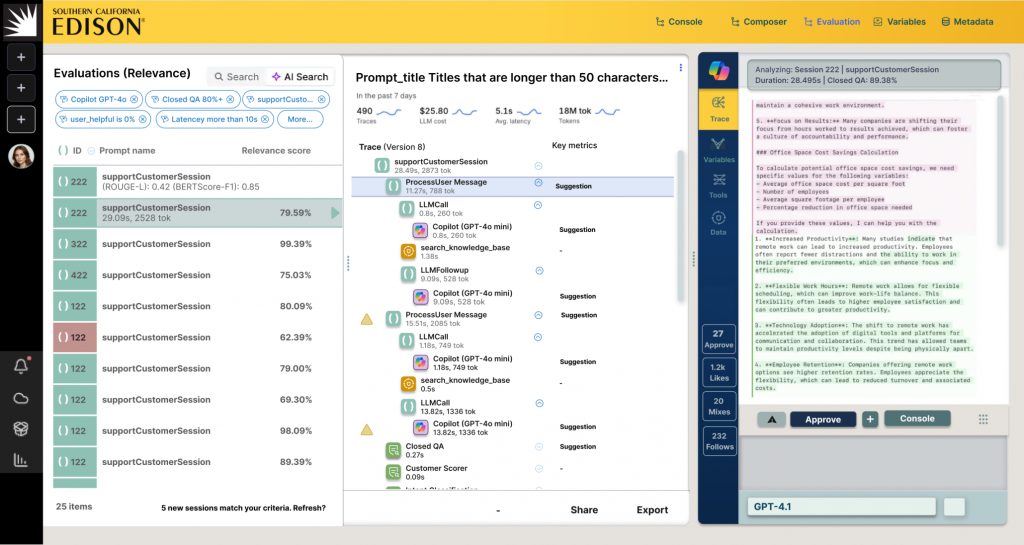
Client: Southern California Edison (SCE) Timeline: December 2025 – April 2026 (contract with Logic2020.com) Role: Lead Design Consultant – System Designer, UX strategy, React/Python frontend development, enterprise AI platform Team: Business Systems Analyst, Product Owner, Subject Matter Experts Project Summary At Southern California Edison, I led UX design for an enterprise AI prompt portal during a…