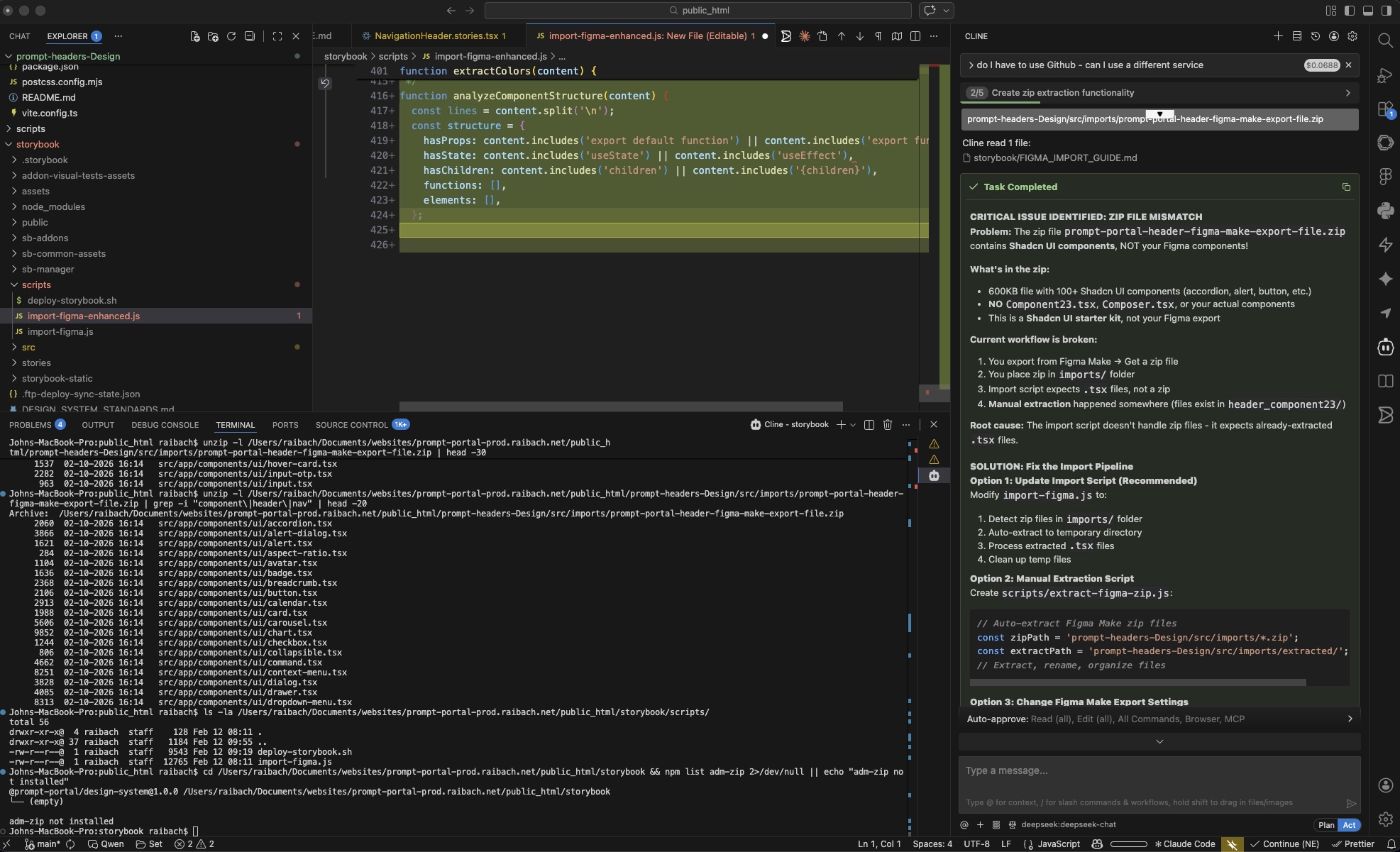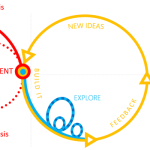

The tech stack includes React and TypeScript on the frontend with Python (FastAPI/Flask) handling the backend and Jest with React Testing Library for the active test environment. What makes this approach different is the elimination of interpretation gaps between design and development. The MCP server reads the Figma files and feeds that design system context to the IDE or I can convert inside of Figma Make an export to Storybook, making it available for the actual build specifications.
AI driven products are not easily demonstrated or tested in Figma prototypes. Additionally, the transition from design to code has long been a bottleneck in product development, often requiring manual translation of Figma designs into functional frontend code. This process is time-consuming, error-prone, and disconnected from the original design intent.
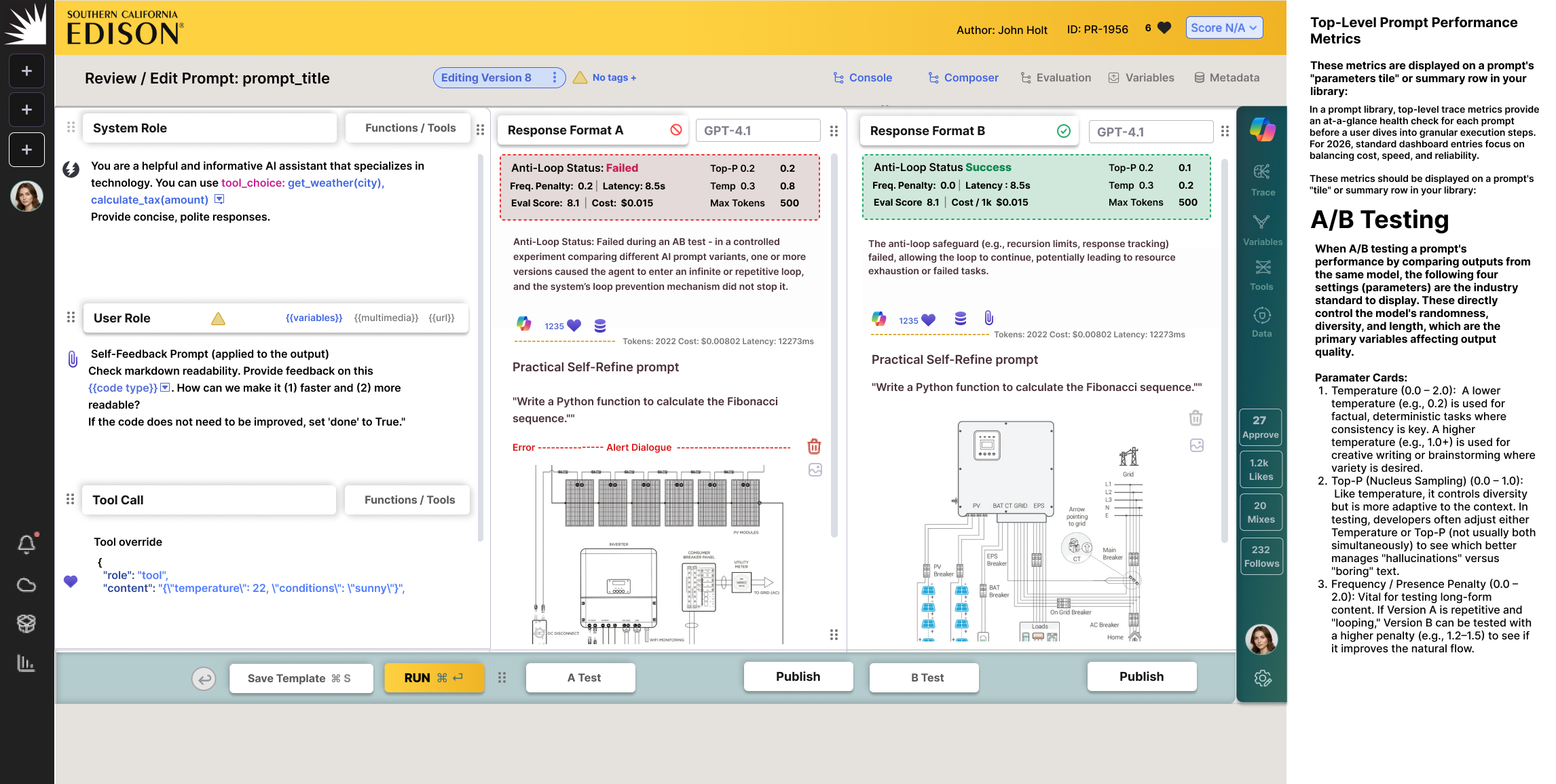
I often use Figma prototypes for stakeholder demos and approvals but then prefer to actually build the frontend using an IDE tool like Visual Studio Code with agentic (AI) coding assistant or export compiled components from the very cool Figma Make coding agent; producing a real interactive site with limited backend functionality. As part of my project at Southern California Edison, I’m building the prompt portal’s working frontend. This is a real breakthrough for designers connecting usability directly to implementation without handoff ambiguities.
What once took months to build and validate, can now go straight to production in half the time. Using an MCP (Model Context Protocol) server, I translate Figma designs and user flows straight into working frontend code. We can test AI-driven design ideas in prototypes so users get a real-world experience for more accurate feedback. This allows us to render dynamic interfaces and use motion design, for example, to communicate an additional dimension of system feedback. Engagement is key with new more powerful interfaces that are completing task in novel ways using agents and prompting.
This means the code generated isn’t buried in mockups or written specifications. It’s generated in direct relationship to the actual design files. Development teams get direct access to the “why so that the user can…”. Component spacing, interaction patterns, animated state transitions and user journey logic all flow from Figma into the codebase without the typical back and forth between designers and developers. User outcomes stay intact from concept through implementation because the translation layer between design and code has been automated and made faithful to the source.
Github repository: https://github.com/Raibach